

Three card poker rewards patience, and the session rhythm changes sharply when you chase high volatility in three card poker. I have watched the same pattern at two large platforms where the lobby architecture sits one layer above the game server, and the payout curve decides whether a table stays busy or empties by the arvo. This piece reads the mechanics, the lobby behaviour, and the player fit so you can judge the ride before you commit a deposit.
Reading the payout curve before you sit down
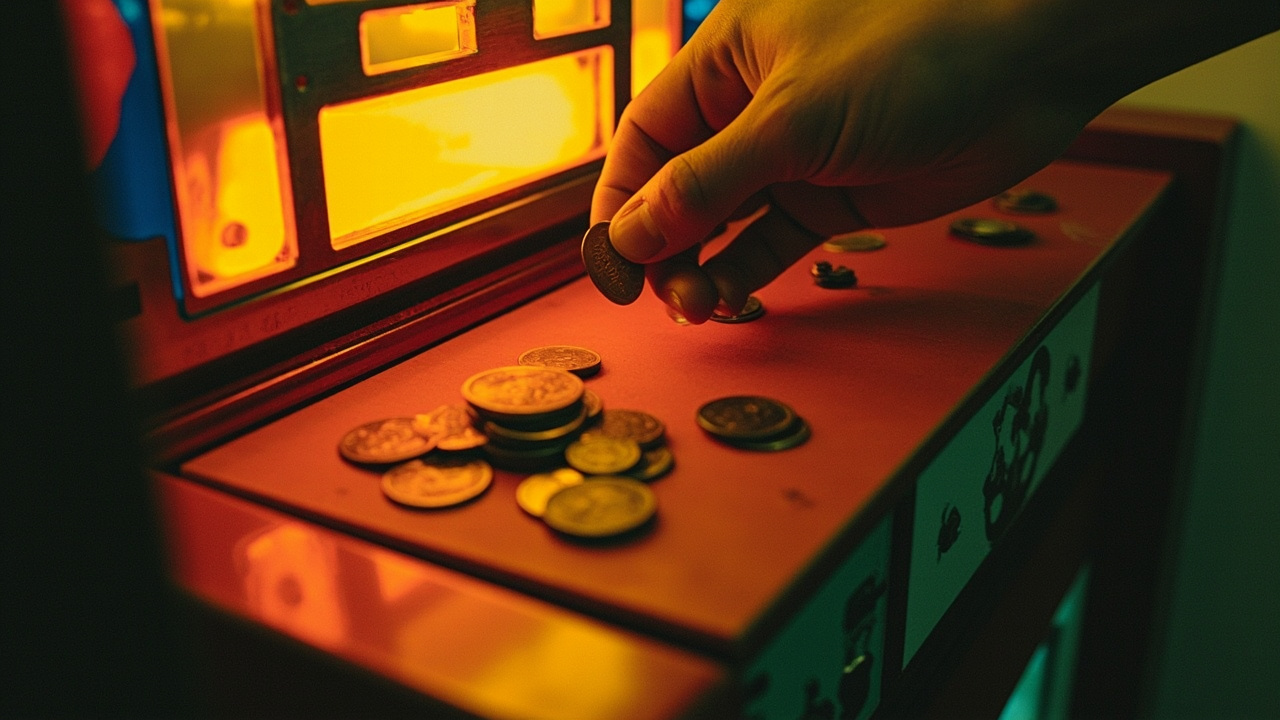
High volatility in three card poker means the short run swings wider than the advertised return, and that is a structural feature, not a bonus gimmick. The pair-plus side bet amplifies the swings because it pays out on weaker hands far less often, so your bankroll breathes in bigger increments between winning hands. From an engineering view, the game server keeps the hand logic independent of the lobby, which is the same separation I use when wiring search requirements to large-platform architecture across Stake and KICK, so the volatility label stays honest rather than being rewritten by a marketing layer. At a Brisbane pub session or a quiet home setup, the practical takeaway is that a cold patch can stretch longer than you expect, and the ante bonus on a flush or straight does not smooth the curve enough to change the pace. I treat the volatility label as a routing signal, the way I judge crawl budget and indexation paths, because it tells me whether the table belongs in a short-session plan or a longer run with firm stop limits.
| Metric | Low-to-moderate spread | High spread |
|---|---|---|
| Hand-to-hand swing | Narrower, steadier | Wider, less predictable |
| Pair-plus impact | Mild on bankroll | Noticeable on bankroll |
| Session planning | Short or medium runs | Longer runs with firm limits |
| Best fit | Steady rhythm players | Patient, bankroll-disciplined players |
The table above keeps the comparison concrete, because the same three-card hands play out differently once the payout spread widens. A straight or flush still pays, but the gap between a winning hand and a losing one grows, so your session plan needs a firmer ceiling than a casual spin on a low-spread table. I would rather route a player toward a table that matches their stop-loss discipline than let a label do the work, and that judgement is the same one I make when mapping search intent to a platform’s actual game catalog.
Lobby placement, table mix, and how the game is discovered
A lobby that surfaces high volatility in three card poker cleanly gives you a real choice instead of burying the table behind a generic card games folder. The mix matters because the same provider can serve a low-spread table and a high-spread table under the same ruleset, and the lobby needs to separate them by payout behaviour rather than by a vague tag. Good discovery puts the table near the live dealer section or the dedicated table cluster, with a clear payout note so you know what kind of ride you are picking before you click in. I have seen lobbies treat volatility like a search filter that never actually filters anything, and that is the same kind of loose architecture I push back on when connecting search requirements to engineering, because a label that does not route players is just noise. A Brisbane player logging on after work wants a table that matches their session length, not a folder that makes every card game look identical.
- Check the payout note on the table card before you join, not after.
- Confirm whether pair-plus is active and how it changes the swing.skycrown casino trustpilot
- Look for a table cluster that separates low and high spread tables.
- Verify the session timer or table limits if you plan a short run.Poker Satellites Online for Real Money
The list above keeps the discovery steps practical, because a clean lobby saves you from sitting down to the wrong payout curve. When the table is placed where the right players can find it, the session starts with the right expectation instead of a surprise halfway through.
What this means for Australians
For Australians, the main consequence is that a high-spread table asks for a firmer session plan than a casual night at the tables. The currency and deposit flow need to match the swing, so a bankroll built for a steady table can run thin faster if you treat a high-spread table the same way. I would rather see a player in Brisbane pick a table that fits a two-hour session with a clear stop point than chase a label and outstay the bankroll. The practical move is to treat the volatility note as a routing signal, the same way I route search traffic to the right game page instead of dumping everyone on one generic card games link. If you are playing on a platform that keeps the table logic separate from the lobby, you get a cleaner read on what kind of ride you are buying before you commit.

Player fit, session planning, and a clear verdict
High volatility in three card poker suits a player who knows their stop point before the first hand and does not treat a cold patch as a signal to chase. The table works best when your bankroll can absorb wider swings without turning the session into a test of patience, and the pair-plus side bet should be sized to the same plan rather than treated as a separate thrill. I judge the fit the same way I judge a platform change: if the table does not match the session length and the stop discipline, the label is the wrong tool for the job. If you want a steadier rhythm, a lower-spread table keeps the hand-to-hand movement tighter; if you can plan a longer run with firm limits, the high-spread table gives you the wider swings you our storefront came for. The verdict is simple: pick the table that matches your session plan, not the label that sounds more exciting, and let the payout curve tell you whether the ride is the right one.