


Having watched trends in online gambling across Canada for a while, I notice a certain form of player expertise around games like Aviator https://aviatorcasino.app/aviator/. Casual viewers could fail to notice it, but the blocking mechanism has become a central piece of tactics for numerous players in this region. This is not merely a feature to halt your betting. It is a calculated method for dealing with risk and controlling a gaming session. In a game driven by a rising multiplier and an abrupt halt, the capability to set your stake limit in advance is paramount. Canada-based players, in a market that emphasizes safe play, have incorporated this mechanism into their strategy. They don’t treat it as a panic button activated sporadically. They treat it as a core part of their game plan. How they use it reflects a controlled emphasis on prolonging their gaming session, rather than chasing a single, risky win.
What is the Block Function operate?
The block function, also known as “Auto Cash Out” or “Limit Setting,” is a preventative feature. It allows a player to establish conditions that instantly manage their bets. In Aviator, it usually works by stopping bets from being set if certain things happen. This is separate from an auto-cash-out, which guarantees a win. The block function stops a potential loss before it happens. It serves as a gatekeeper for your money, stepping in before a moment of rashness or frustration can lead to a bad choice. View it as a set of rules you create for your future self—the self that might be overly bold after a win or desperate after a loss.
You can generally configure this function a few various ways. A player can prevent bets if their balance goes beneath a specific amount, preserving a financial cushion they decided on ahead of time. More strategically, they can block bets after a big win or a series of losses, compelling themselves to step away. The function works quietly in the background. Once you turn it on and set your parameters, it needs no more intervention during the tense moments of play. Its power is rooted in its pre-emptive nature. It’s a dedication to discipline made when you’re clear-headed, meant to protect you from yourself when that clarity might fade.
How It Works Technically and Player Control
Technically, the block function consists of straightforward logic embedded in the game app or user settings. Users enter their criteria into a submission box. Prior to placing a new bet, the platform verifies the present game situation against those parameters. If those criteria are fulfilled—for instance your balance is now $5 under your limit—the “Place Bet” button may gray out, or a message will pop up to stop the transaction. This automated control is what makes it effective. The action is immediate and unalterable. You delegate control ahead of time to a logical restriction, so you can avoid relying on willpower when it counts.
This degree of player control signifies a genuine change in crash game design. It moves some responsibility from pure willpower to a system that supports the player. For operators, implementing these options matches responsible gambling objectives and helps players stay engaged in a sustainable fashion. From the player’s perspective, it changes the experience from a completely passive approach to something more deliberate and calculated. The mental advantage here is genuine. Understanding that a firm cutoff is established lets a player enjoy the thrill of the game with more freedom, yet only inside the parameters they consider appropriate. It converts a potentially unpredictable process and imposes well-defined limits.
Tactical Application of the Stop Feature in Canada
Canadian players have embraced the pause mechanism and used it with a tactical subtlety that echoes the region’s larger, safety-conscious betting environment. Their key objective is capital preservation. One approach I’ve seen often is a layered blocking system. The first stop engages when a session loss limit is reached, maybe 20% of the starting bankroll. This is a warning. A subsequent, tighter pause triggers at a absolute stop loss, perhaps 50% of the bankroll, which terminates the session entirely. This multi-level technique generates a deceleration before a total cessation, akin to risk controls in professional trading. It systematically avoids the classic trap of “chasing losses,” where emotional reactions can cause a tiny loss balloon.
Canadian players also frequently utilize the stop function to protect profits and force themselves to have breaks. For instance, after a
- Loss Prevention: The most fundamental use. Players configure a block at a certain loss threshold (like $50) to safeguard their bankroll from evaporating during a rough run. This makes sure they can return and play another day.
- Profit Protection: After a large win, a block is activated to stop re-betting all the profit. A common approach is to block further play until profits are withdrawn, or to establish a fresh balance floor that betting cannot go below.
- Emotional Break: Blocks are triggered after a large win or a disappointing loss, forcing a compulsory pause. This breaks the cycle of impulsive “revenge betting” or the excessive belief in a “hot hand.”
- Session Control: Used to maintain disciplined session lengths. A player might restrict bets after 20 rounds or 45 minutes of play, selecting sustained entertainment over extended, risky sessions.
- Stake Discipline: To prevent bet sizes from increasing, a block can prevent play if any single bet surpasses a specified percentage of the bankroll. This promotes consistent money management.
Blocking Feature and Controlled Play in Canada
The match between the block function and Canada’s responsible gaming framework is robust and intentional. Local oversight bodies and regulated platforms here highlight player protection tools. Features like the block function are a clear technical solution to that priority. They provide the individual player a concrete, pre-emptive way to take care of themselves. In a regulatory environment that demands self-exclusion programs and deposit limits, the block function acts as a micro-level, session-specific partner to those broader tools. It places detailed control straight into the user’s hands. This matches the Canadian idea of personal responsibility reinforced by system safeguards.
From a harm reduction view, the function is highly beneficial. It works as a circuit breaker for problematic behavior before it escalates. Allowing players set limits based on their own financial and emotional triggers promotes a mindfulness that fast-paced games often undermine. Licensed operators in provinces like Ontario, overseen by AGCO rules, are encouraged to provide these features. Having them isn’t just a bonus; it’s a mark a platform takes consumer safety earnestly. For the Canadian player, using these tools is beginning to be viewed not as a weakness, but as the hallmark of a smart, sustainable way to enjoy gaming.
A Tool for Conscious Entertainment
Ultimately, the block function transforms Aviator from a simple game of chance into an experience of mindful entertainment. It enables Canadian players enjoy the excitement of the crash mechanic while preserving a basic layer of player security. This thoughtfulness is the cause the feature has gained traction. Players say they sense more in control and less anxious during play, knowing the rules they set earlier are actively protecting them from their own future excesses. The game becomes less about fighting temptation in the heat of the moment and centered on following a plan made in advance. That change is important. It transforms the experience from something that could be anxiety-inducing into something focused on managed excitement.
This method resonates with a Canadian audience that inclines to appreciate balance and moderation. The block function preserves the risk or the fun. It just contains that fun inside boundaries you establish yourself. It accepts that the game’s excitement comes from its volatility, but that appreciating it long-term means handling that volatility. By using this tool, players make a intentional choice. They opt to prioritize their enjoyment and financial well-being over the uncontrolled hunt for one big score. It represents a sophisticated step forward in how interactive gaming is approached, moving away from reckless play and toward a more deliberate, recreational model.
Comparison: International vs. Canadian Usage
Worldwide, application of the block function is more mixed and frequently less organized. In numerous markets, players may overlook the feature or use it mainly as a “panic button” once they’ve already lost heavily, rendering it a reactive instrument instead of a preventive measure. Cultural attitudes and regulations play a significant part here. In markets with less emphasis on official responsible gaming tools, players may rely solely on personal discipline, which leads to more erratic play patterns. They may view the feature as an unnecessary hassle, not a core part of the game.
The Canadian strategy is noticeably more structured. A regulated marketplace with strong consumer protection standards has made it using all on offer player protection tools normal. Canadian players are more likely to set numerous, tiered blocks at the very beginning of a session, as a component of their standard routine. They also with greater frequency employ the function to safeguard profits and schedule their sessions, not solely to prevent losses. This suggests a broader strategic outlook of the entire gaming session, much like overseeing a small investment. A cultural leaning toward caution and preparation, combined with nudges from licensed platforms, has forged a unique “Canadian style” for the block function. It’s comprehensive, proactive, and baked into their approach of play.
Practical Guide to Establishing Your Blocks
Creating an effective block strategy requires some planning beforehand. First, before you deposit or start playing, decide on your session bankroll. This is cash you are fully fine losing. Your main block should stop bets once you’ve used up 70-80% of this bankroll. Treat this as your “soft stop,” a sign you’re having a difficult session. A secondary, hard block should be at 100% of your session bankroll. Next, define what success entails. Pick a profit goal, like a 50% gain. Once you reach it, establish a block to hold your balance from falling back below your original bankroll. This lets you play with pure profit. Finally, consider time. Use a clock or the game’s own tools to stop bets after 30-45 minutes, compelling a mental reset.
The main thing is to configure these blocks immediately after you deposit, or at the very start of your session, when you’re calm and objective. Do not alter these blocks in the midst of a session, especially after a loss or a big win. Your decision-making won’t be at its sharpest then. The tool’s whole power comes from that advance commitment. View your block settings as absolute rules for that session. Later, evaluate how they worked. Did your loss limit feel too tight? Was your profit goal too ambitious? Fine-tune these parameters over time based on your past sessions, not your impulses in the moment. This method of tweaking and learning turns gambling from a unstructured activity into a polished personal hobby with clear limits.
Psychological Benefits and Extended Play
Using the block function frequently has a major psychological impact. It relieves you of the ongoing decision about when to stop, which is often the hardest choice in gambling. By automating that, you conserve mental energy to focus on the strategic decisions inside the game, like bet sizing and cash-out points. It also cuts down on regret after a session. Knowing you stopped because a sensible, pre-set rule was triggered is much more comfortable to live with than stopping because you were annoyed or worn out. This fosters a more constructive relationship with the game, making you less likely to make an hasty, revenge-fueled deposit later on.
For extended engagement, this is crucial. Players who use these controls show higher satisfaction and remain on gaming platforms longer. They avoid the severe losses that cause people leave for good. So the block function isn’t just a protective tool for the player. It’s a retention tool for the operator. It facilitates a kind of recreational gaming that can last. By trimming off the worst extremes, it maintains the activity firmly in the territory of entertainment, not distress. For the Canadian market, where gaming is legally framed as a form of entertainment, this tool is ideally designed to ensure the real experience matches that idea.
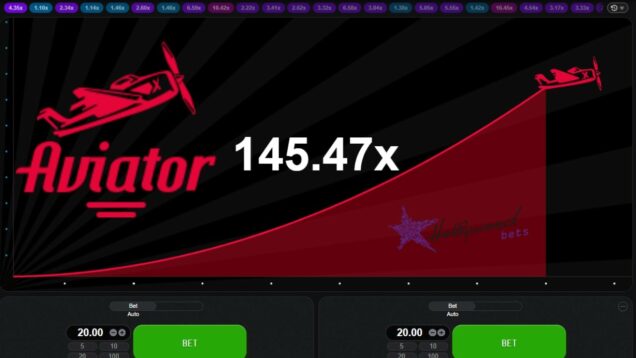
Summary: The Block as a Strategic Imperative
Examining how Canadians play Aviator points me to one definite point. The block function has moved from a specific option to a essential requirement for thoughtful players. How it’s been utilized shows a developed gaming culture that emphasizes control, responsibility, and long-term fun over uncontrolled betting. Canadian players have shown that the real skill in a game like Aviator isn’t just in deciding your exit point. It’s in skillfully controlling all the elements of your session. The block function is the primary instrument for that management. It symbolizes a mix of entertainment and discipline, letting the game’s thrill happen inside a secure, self-determined frame.
Moving ahead, I predict this tool will get more advanced. We might see customized data analysis or more intelligent, dynamic restrictions based on how you play. The concept behind it—that players are entitled to effective, self-operating systems to enforce their own limits—will probably become a common requirement across all online gaming. For anyone playing Aviator or comparable crash games, especially in a controlled environment like Canada, mastering the block function isn’t an extra advanced technique. It’s the key starting point toward a more intelligent, more secure, and more rewarding gaming experience. It’s the feature that firmly divides a deliberate plan from just playing by chance.